Master GPU Mining Architecture, 12V Power & Thermal Physics
System Layer Base provides rigorous, bench-level education for builders, technicians, and system operators. Learn component selection, 12V rail load distribution, VRAM thermal pad measurement, and headless Linux mining OS calibration at our dedicated facility in Gimpo-si, Gyeonggi-do.
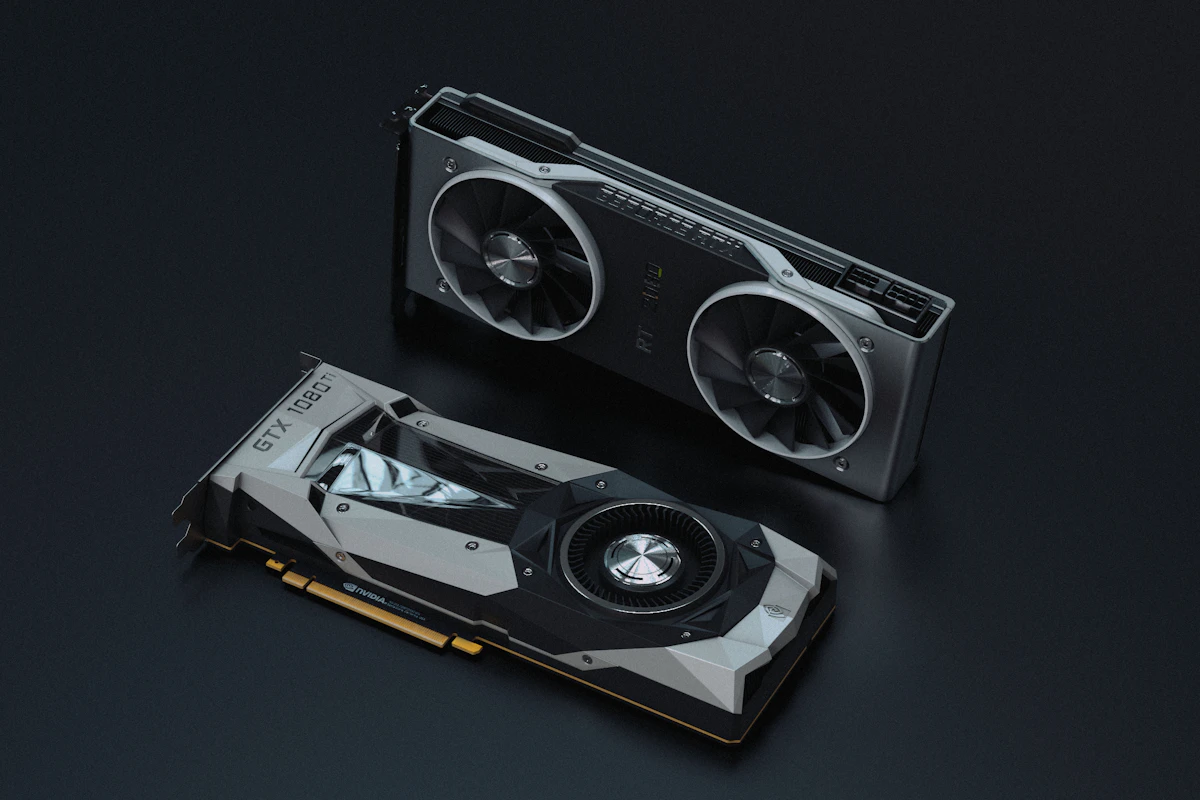
Live Bench Calibration
Direct hands-on instruction covering server breakout boards, 16AWG wiring, PCIe 4.0 risers, and memory junction delta-T analysis.
GPU Rig Architecture & Assembly Intensive
Our core two-day curriculum takes participants through complete physical assembly, electrical validation, and Linux software calibration on dedicated multi-card frames.
From Aluminum Chassis to Calibrated Mining Node
Avoid costly wiring mistakes and fire hazards. We teach participants how to calculate 12V amperage limits, safely wire server power supplies, configure motherboard BIOS above-4G decoding, and fine-tune frequency-voltage curves.
- Hands-on wiring with 80-Plus Platinum server PSUs and breakout boards
- Elimination of hazardous SATA/Molex riser adapter failure points
- Motherboard BIOS PCIe lane bifurcation and AC power recovery setup
- Headless HiveOS / Linux kernel flight sheet and pool socket configuration
- VRAM thermal pad thickness measurement with digital vernier calipers

Targeted Hardware Masterclasses & Audits
Choose from focused 1-on-1 technical advisory sessions, physical thermal teardown labs, or remote rig automation clinics.
GPU Rig Architecture & Assembly Intensive
Master physical assembly, PCIe riser wiring, 12V server power supply load balancing, motherboard BIOS configuration, and Linux-based mining OS deployment on real lab benches.
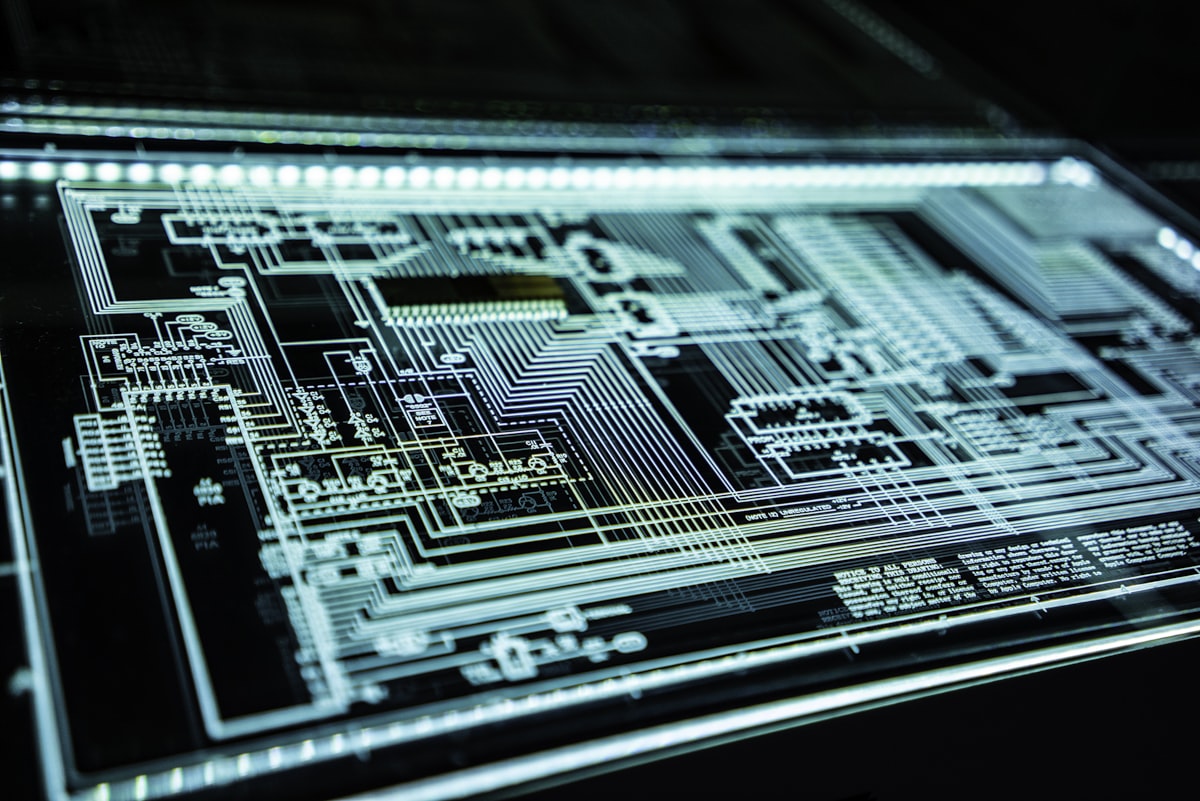
GPU Component Selection & Electrical Load Advisory
Deep evaluation of GPU silicon architectures, VRAM cooling designs, power distribution boards, breaker panel limits, and ambient heat exhaust engineering.

Thermal Dynamics & Efficiency Calibration Lab
Learn how to disassemble graphics cards safely, replace factory thermal pads with high-conductivity materials, balance fan curves, and maximize hashrate per watt.
Mining OS, Firmware & Rig Automation Clinic
Configure resilient remote management, automate GPU reboot sequences on kernel panics, monitor telemetry via Grafana/Prometheus, and secure your local network.
Inside the Gimpo Hardware Lab
Located in Wolgot-myeon, Gimpo-si, our facility is engineered specifically for active high-draw computing experiments. Each student workstation is equipped with independent 220V power metering, dedicated exhaust ventilation, grounded ESD work mats, and high-precision diagnostic tools.
Electrical Safety
Dedicated RCD circuit breakers, true 16AWG copper wiring benches, and clamp multimeters.
Thermal Imaging
FLIR infrared cameras and thermocouple probes for accurate VRM and VRAM delta-T mapping.

Field Experiences & Bench Reports
Direct reflections from hardware builders and technicians who attended our Gimpo lab sessions.

I came to the Gimpo lab with a box of mismatched components and zero practical experience with server power supplies. Jihun walked us through multimeter testing on each 6-pin cable before we even flipped the master switch. Learning how to properly measure PCIe riser draw prevented me from making the dangerous SATA adapter mistakes I had seen online. The hands-on time with HiveOS flight sheets was structured and methodical.

The thermal teardown session was intense. Using digital micrometer calipers to measure pad thickness on the memory chips was eye-opening—I didn't realize that being off by just 0.5mm on the VRM pads could prevent the main GPU copper plate from seating correctly. Walking away with real teardown muscle memory gave me the confidence to service all six of my laboratory cards without damaging delicate surface-mount capacitors.

Booked the 90-minute advisory before purchasing a four-card rig. Kim Jihun reviewed my proposed bill of materials line-by-line and identified that my chosen power supply lacked dedicated independent rails for the secondary PCIe risers. His wiring schematic showed me exactly how to distribute the load across a 220V circuit while leaving an 80% continuous safety buffer. Clear electrical engineering advice without fluff.
From the Hardware Journal
In-depth technical papers on electrical safety, memory thermodynamics, and silicon efficiency curves.

PCIe Riser Engineering & Safe 12V Power Distribution on Multi-GPU Benches
A technical breakdown of riser PCB traces, why molded SATA-to-PCIe power adapters cause catastrophic thermal failure, and how to safely balance server power supply breakout boards.
Read Analysis →
GDDR6X Thermal Pad Replacement: Caliper Measurements & Delta-T Analysis
Why factory thermal pads often fail under sustained compute workloads, how to measure pad thickness down to 0.1mm with digital micrometers, and achieving sub-78°C memory junction temps.
Read Analysis →
Frequency-Voltage Curve Optimization: Maximizing Megahashes Per Joule
Moving beyond crude power limit sliders to locked core clock frequencies, memory offset tuning, and calculating actual efficiency metrics on calibrated shunt meters.
Read Analysis →